A Return to the River
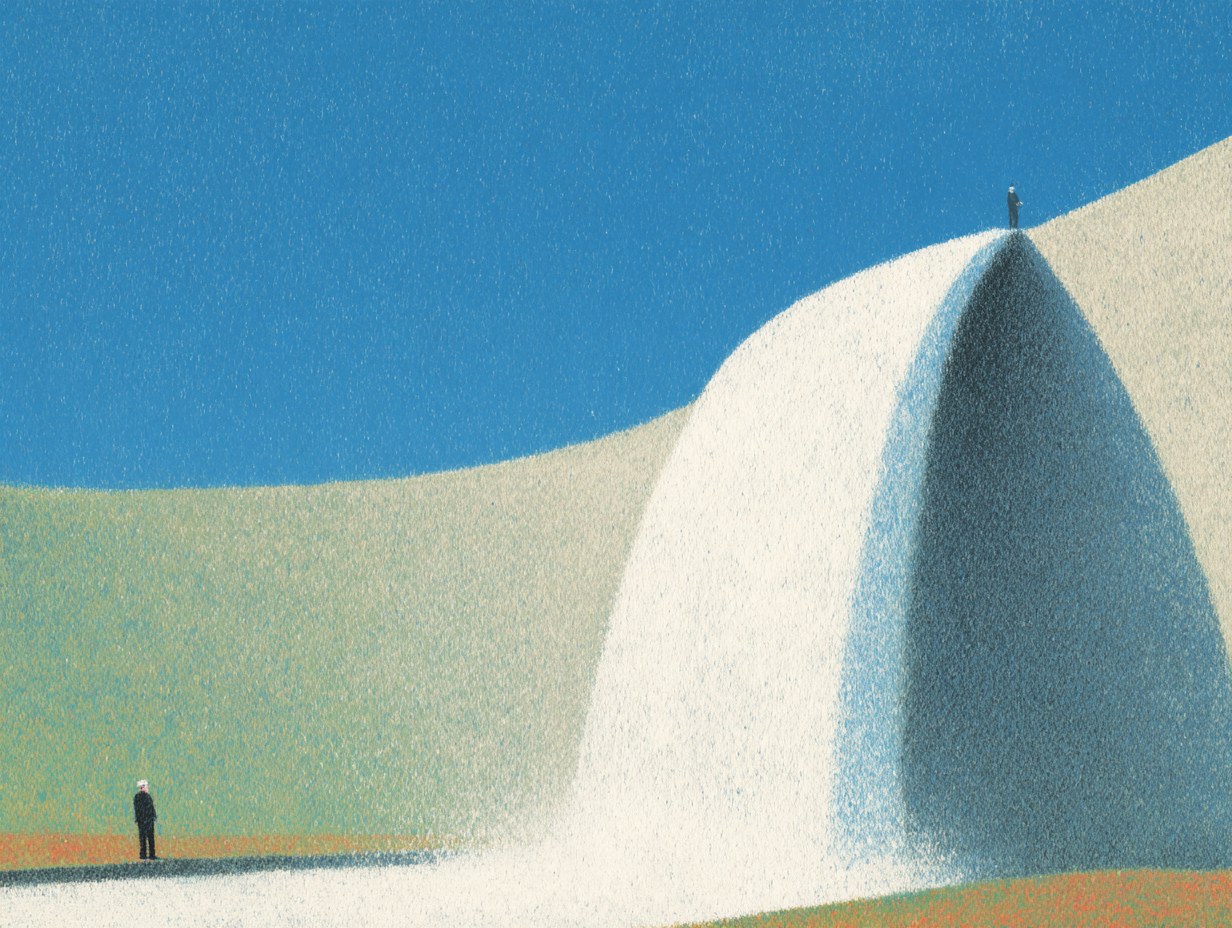
Uthukela means, 'to surprise' in IsiZulu. It is a startling, a new beginning, or, to extend the definition as far as possible, a rebirth. It is enigmatic. It is onomatopoeic. It echoes the life of the water itself. The Tugela River is a river which is born at the top of the second-highest waterfall in the world. Falling like magic from the top of the Drakensberg Mountains in the middle of South Africa, it is a thin and powerful shower which rains down eternally onto the valley almost 1000 metres below.
This river then winds down through the iconic mountains, carving out a deep grassy, forest-filled valley whose sides are covered in ancient rock and eland. Once it reaches the mouth of this valley, it slows, flattens out and gently rolls through one dam, into another, underneath the busiest highway in the country, and eventually drops down into the grasslands and farms of rural KwaZulu-Natal. Moving with a leisurely confidence, it meanders through the country for more than 500km until it meets the Indian Ocean and waters the estuaries of the picturesque North Coast. Merging with salt and sand, the river is reborn again as Ocean, whose waters take the spray that started at the top of the basalt mountains out into the warm Agulhus current to move forever on.
My father was born on this river, in the foothills of the 'Dragon Mountains'. His childhood was spent exploring the valleys, climbing the koppies and fishing the tributaries which were all crafted by this river. It is a river which has quite literally been a source of life, for thirsty cattle, dry crops or praying farmers. As borderland, boundary line and mythical muse, it has been the place of songs, stories and bloody battles. The river has given as much as it has taken away. It angers, it destroys and more than anything else, it remembers. To know the river is to know the devastation that it has wrecked, as well as the lives that it has saved.
Our lives and livelihoods were once so intricately tied to the fate of the rivers by which we were born that it would have been impossible to disentangle Us from Them. Our very identities, our communities and our cultures were forged by the shorelines which sustained us. From the river came Gods, Kings and cities; guides, gifts and the foundations upon which our very societies today are built. But, for many of us, we have lost this connection. We have rejected the wilderness from which we walked out of and, in the thralls of modernity, have lost the very waters which birthed us. But perhaps it is not too late. The natural world is the fundamental core of our economies and our systems. It is the infrastructure on which everything else depends. Food, water, air. By returning to the river, remembering the lessons that were passed down upon its ragged beaches, perhaps we might be able to patch the cracks of our systems which are baring their teeth. Perhaps it is already starting.
It has been years since I have seen the Tugela. But the river is older than me. It is not so quick to forget.
More
Perspectives